
AMINO ACIDS
The following
8 amino acids are essential to human
life. They form the
very basics of
building proteins.
ISOLEUCINE
lEUCINE
LYSINE
METHIONINE
PHENYLALANINE
THREONINE
TRYPTOPHAN
VALINE
There are VERY
few things in the
vegetable family
that can claim
ALL of them
MORINGA DOES!
That is great news
for vegetarians.
AND 10 of the of the
non-essential ones
ALANINE
ARGININE
ASPARTIC ACID
CYSTINE
GLUTAMIC ACID
GLYCINE
HISTIDINE
PROLINE
SERINE
TYROSINE
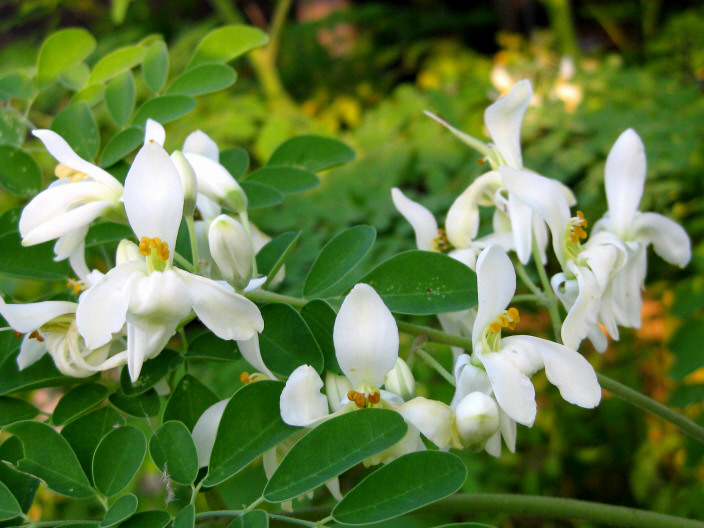
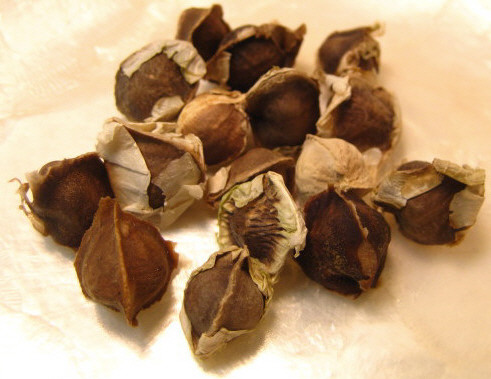
The fastest, easiest way to eat moringa leaves, is raw, right from your own tree. To cook moringa, strip the leaves off some of the branches, and just add a little water to the pan, and a little butter, olive oil or coconut oil, and garlic, and sauté them until the leaves wilt and change color. The taste is far superior, in my opinion, to spinach, collard greens, kale, or any other greens. Part of the pleasure of eating Moringa, is that you know you are eating extreme nutrition. All of the research agrees - Moringa has superb health benefits.
- The leaves can be eaten as salad greens. They mix well with any other salad ingredients. They can also be cooked, as any other greens, or combined with barley, wheat, brown rice, wild rice, rye, buckwheat, spelt, corn, quinoa, millet, or amaranth. Use them creatively, you won't be disappointed. Moringa leaves have a distinctive, delicious taste that's all their own.
- The flowers & buds have to be cooked. Pluck as many as you can eat; the
tree will produce more. People say they taste like mushrooms - we say
they just taste -wonderful!
- Pick the very young pods, and cook them. The consensus is that they taste like asparagus.
- Shell the young pods, and use the seeds as you would peas or fresh beans.
- Cook the mature seeds, or fry or roast them. They taste like popcorn, to us! Just go easy on them, as they are VERY cleansing!
EATING MORINGA

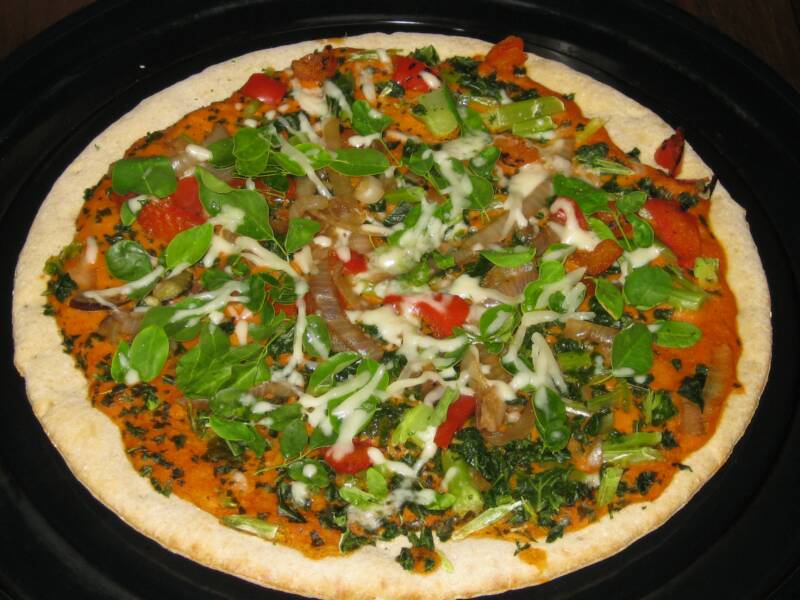
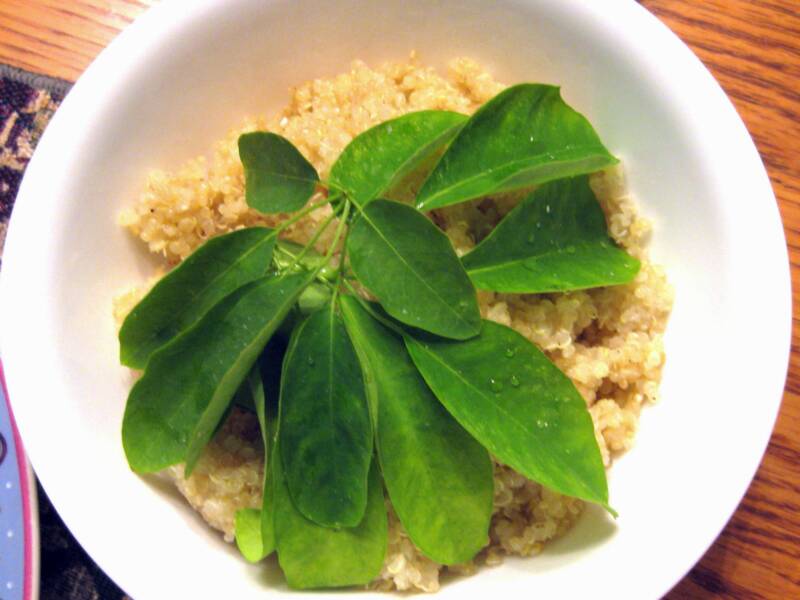
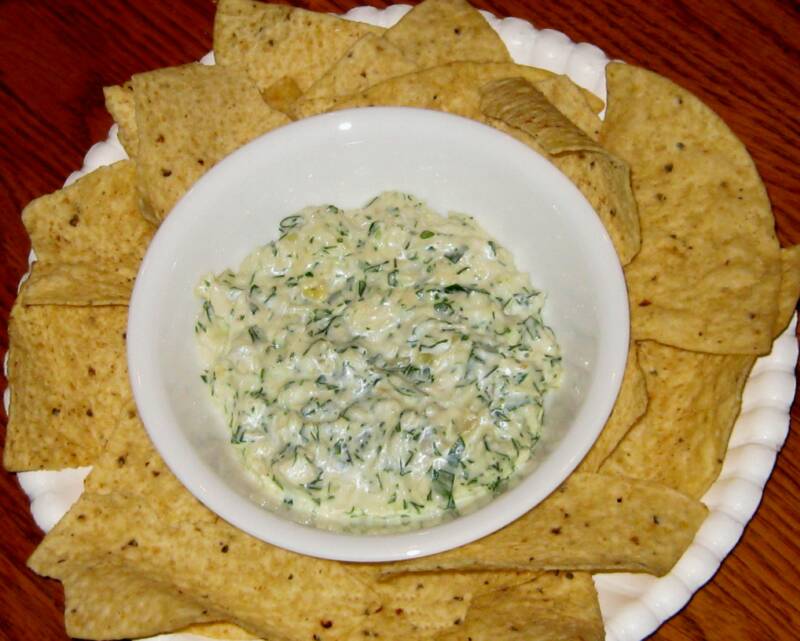
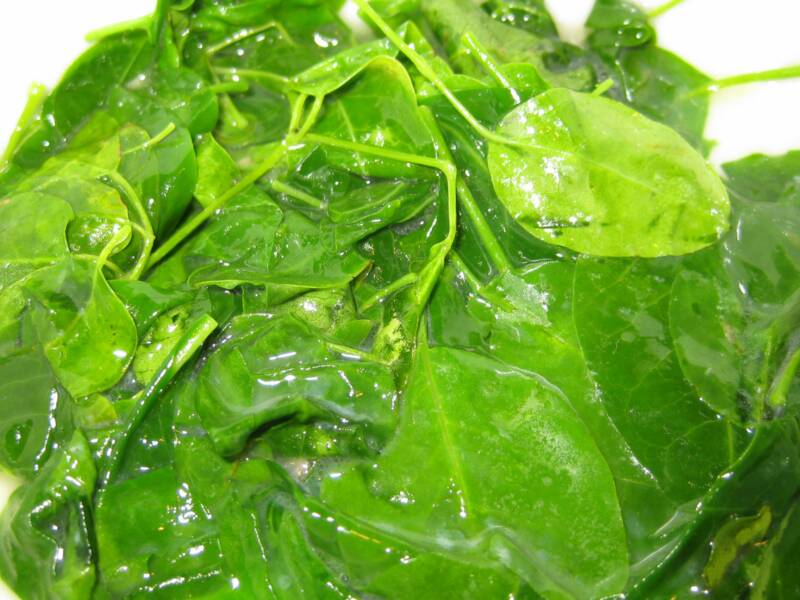

<<< Click on the Photos of Moringa Dishes to enlarge them >>>
> DO NOT EAT THE ROOTS! Some people do, but they should not! In the root the root bark, there
are some substances that you can do without; they can be toxic. One is moringinine. There are also others, which have the potential to be deadly. This is a warning - the roots should not be eaten. It
will cost you the life of the tree, and maybe - your own.
I Love Moringa
the fast-growing, nutritious, delicious gift from God
This page was last updated: September 5, 2022
HOW TO:
More About --- Moringa

COMPLETE PROTEIN
Out of the 20 amino acids that our bodies
need, to sustain life and health, Moringa
contains 18 of them.
Two of the essential amino acids,
and LYSINE
TRYPTOPHAN,
are very poorly represented in
most plant proteins.
Adding Moringa
to your daily diet
can insure that you
get an adequate supply of them.
Eating a strictly vegetarian diet can cause deficiencies of those 8 essential amino acids, unless care is taken to combine foods together that
contain them.
Two non-essential
amino acids that are not in Moringa, are asparagine and
glutamine, which can be manufactured
by the body.
