

You can keep the seeds in plastic
zip bags, or in paper bags.
Supposedly, Moringa seeds are viable when they are fresh from mature pods,
and up to three months after
harvest. However,
we have planted
Moringa seeds
that are several
years old - and,
they grow!
Generally, the germination rate
of Moringa seeds depends on how
they were stored,
and how they
were planted.
Please do not freeze Moringa seeds!
Do not refrigerate them, or store
them where it is
damp or cold.
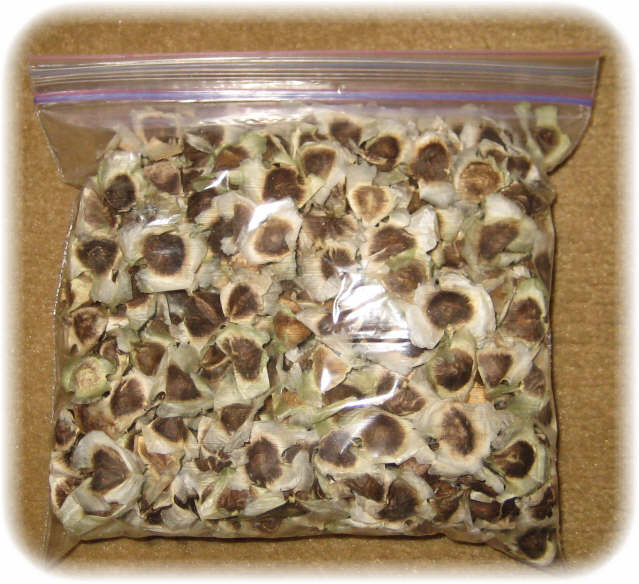
Save only the very best seeds for planting or eating.
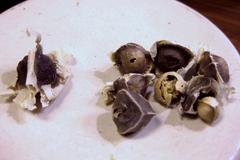
Discard any that are chipped, broken, or have holes - as those on the right side of the bottom photo to your right. >>>
This information holds true for all varieties of Moringa seeds.
The photos, are of our Moringa Oleifera seeds,
but all Moringa seeds will die, if frozen.
I Love Moringa
the fast-growing, nutritious, delicious gift from God
How to Store Moringa Seeds
This one, is easy. We have heard some "horror stories" about how some
of our customers have stored them, so we thought we had better tell
you how to do it properly! Contrary to popular belief, they are still
viable a few years after harvesting, too.
This page was last updated: August 29, 2022
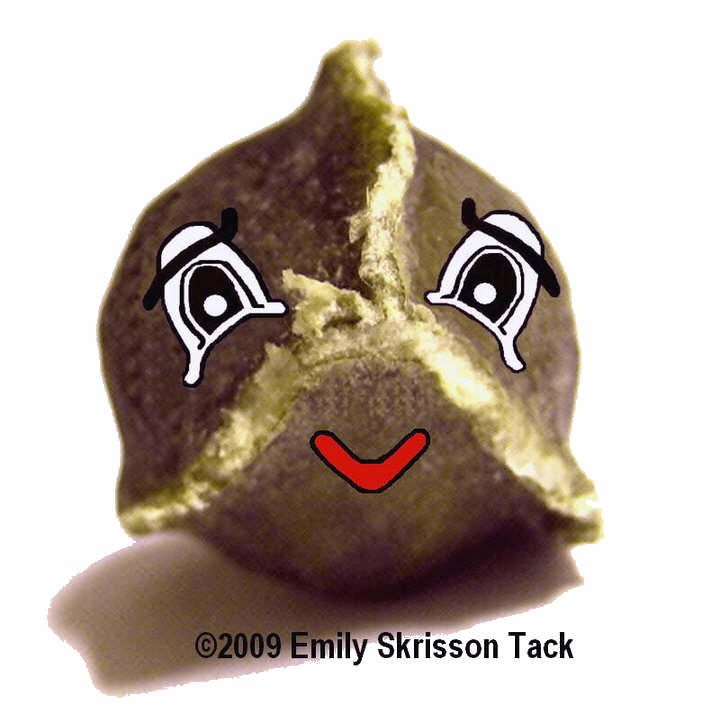
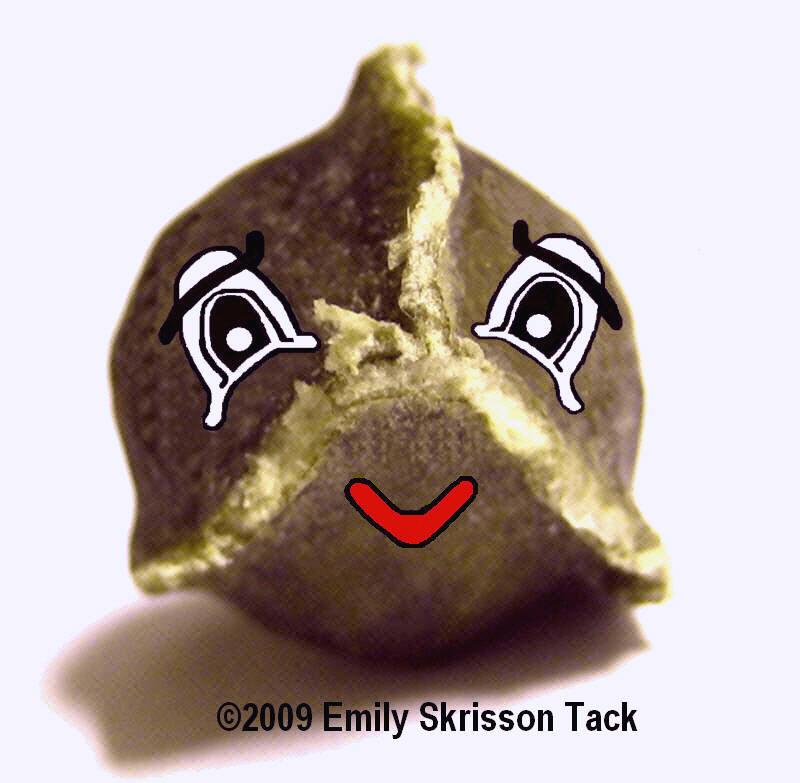
"Hi! I'm Morey, the Moringa Oleifera Seed!
PLEASE do not put me in your
refrigerator, or in your freezer! I am the
seed of a tropical tree, and I will die!"
So many people have asked us how to store Moringa seeds properly, that we thought we had better put it here, online. Often, folks wish to refrigerate them, which is a terrible idea, since Moringas are a heat-loving tree.
There are many that say the seeds are not viable after three months of harvesting, but we have planted seeds that were several years old, and they grew!
We have suspicions, that Moringa seeds can be kept indefinitely, if they are stored in an airtight or sealed container, in a dry place at normal room temperature. If they get damp, they will sprout. If they are frozen, they will die.
Because they are basically considered a tropical tree, their seeds should not be stored in a refrigerator, a freezer, or in a cold attic, basement or garage. Ideally,
they should be stored somewhere between 60 degrees to 80 degrees Fahrenheit.
It is that simple!
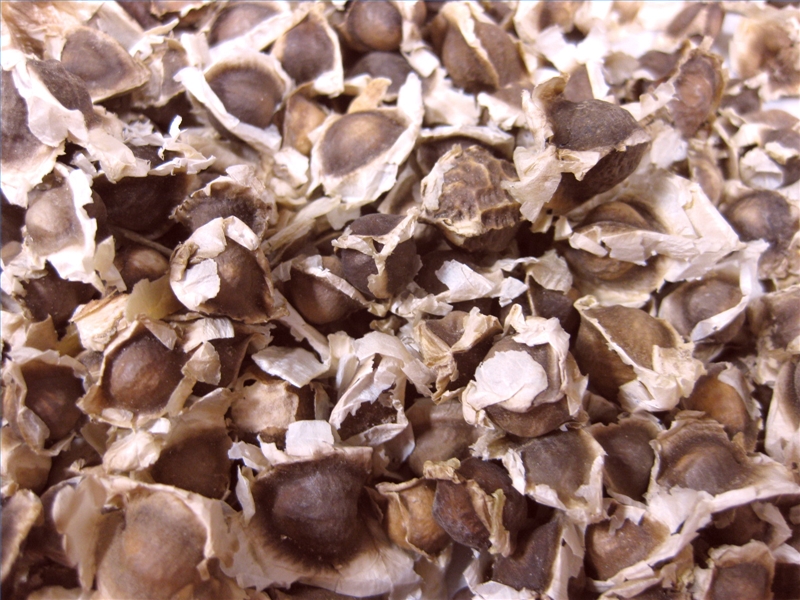
^ Good seeds ^
^ Good seed on left - Broken, chipped, holey ^ seeds on right
HOW TO:
More About --- Moringa

